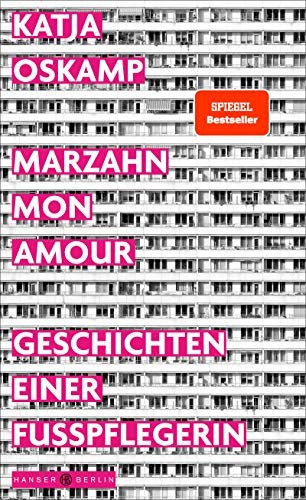

Fionnáin reviewed Marzahn, Mon Amour by Katja Oskamp
Vignettes of lives on a border that we are forgetting
5 stars
What a wonderful surprise this book was. It had won the 2023 Dublin Literary Prize, which is usually a reliable source of good literature, so I decided to take a chance.
The book is autofiction: part fiction, part autobiography. The author, Katja Oskamp, was born in Leipzig, a city I know well and one that suffered a lot of loss of industry after the Berlin wall fell. She moved to Berlin, and in her 40s retrained as a chiropodist and began caring for the feet of the people of Marzahn, mostly elderly clients. Marzahn is a suburb of east Berlin that has a high population of people who were east German, and a high immigrant population from other countries.
The book is a series of vignettes that dig into the personal stories of the old people who visit the chiropody salon. From her prone position at the feet …
What a wonderful surprise this book was. It had won the 2023 Dublin Literary Prize, which is usually a reliable source of good literature, so I decided to take a chance.
The book is autofiction: part fiction, part autobiography. The author, Katja Oskamp, was born in Leipzig, a city I know well and one that suffered a lot of loss of industry after the Berlin wall fell. She moved to Berlin, and in her 40s retrained as a chiropodist and began caring for the feet of the people of Marzahn, mostly elderly clients. Marzahn is a suburb of east Berlin that has a high population of people who were east German, and a high immigrant population from other countries.
The book is a series of vignettes that dig into the personal stories of the old people who visit the chiropody salon. From her prone position at the feet of her clients, Oskamp offers no judgement, only care. The stories are rich and deeply real, each one a section of a life story of someone who Oskamp valued. Almost everyone who comes to the salon is an old east German, with a couple of notable exceptions, and their stories carry the book forward. It could be re-read a hundred times, like Invisible Cities but with people instead of places, and it is Oskamp's humour and deep care that holds the reader from start to finish. The last couple of chapters are particularly wonderful, in a book that offers no judgement, told from the toes up.