
jay started reading The Eye of the Heron by Ursula K. Le Guin
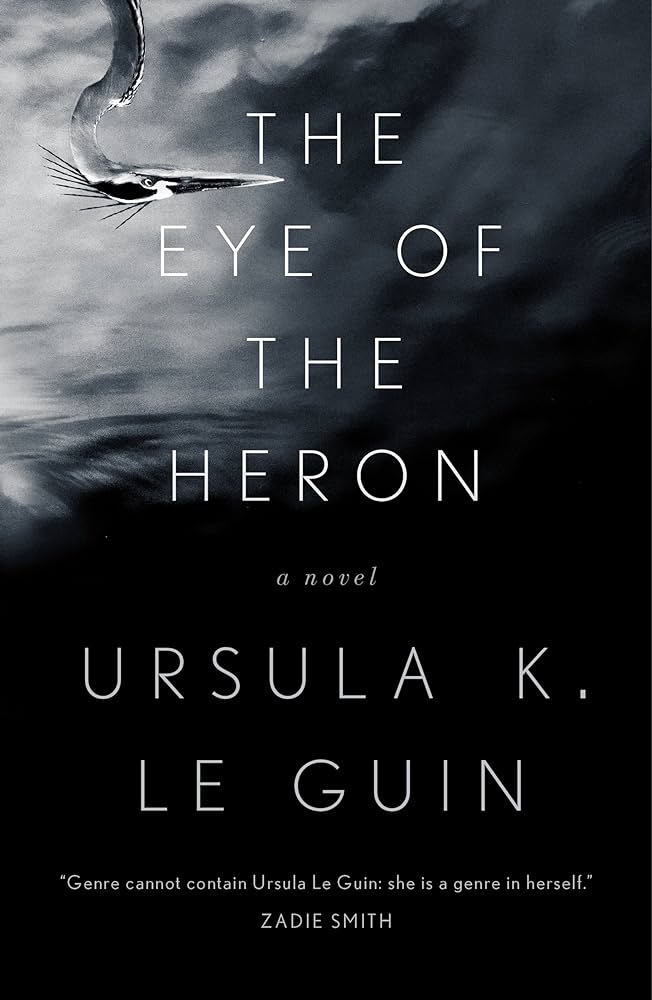
The Eye of the Heron by Ursula K. Le Guin
In Victoria on a former prison colony, two exiled groups—the farmers of Shantih and the City dwellers—live in apparent harmony. …

Contains brainfog. I admire people who have a clear definition for what each number of stars means, but I give them out purely intuitively.
This link opens in a pop-up window
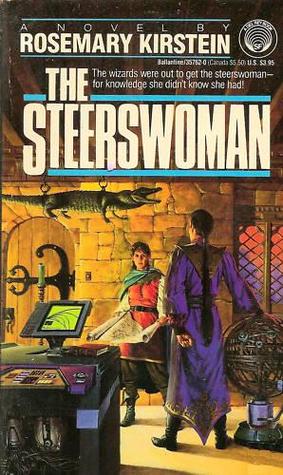

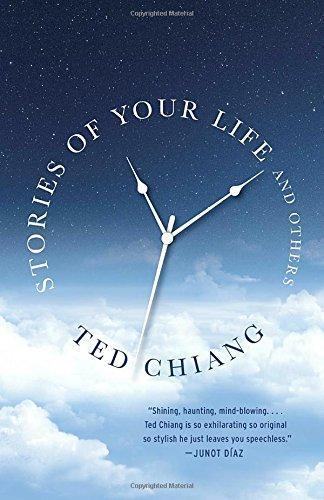


In Victoria on a former prison colony, two exiled groups—the farmers of Shantih and the City dwellers—live in apparent harmony. …
jay
boosted
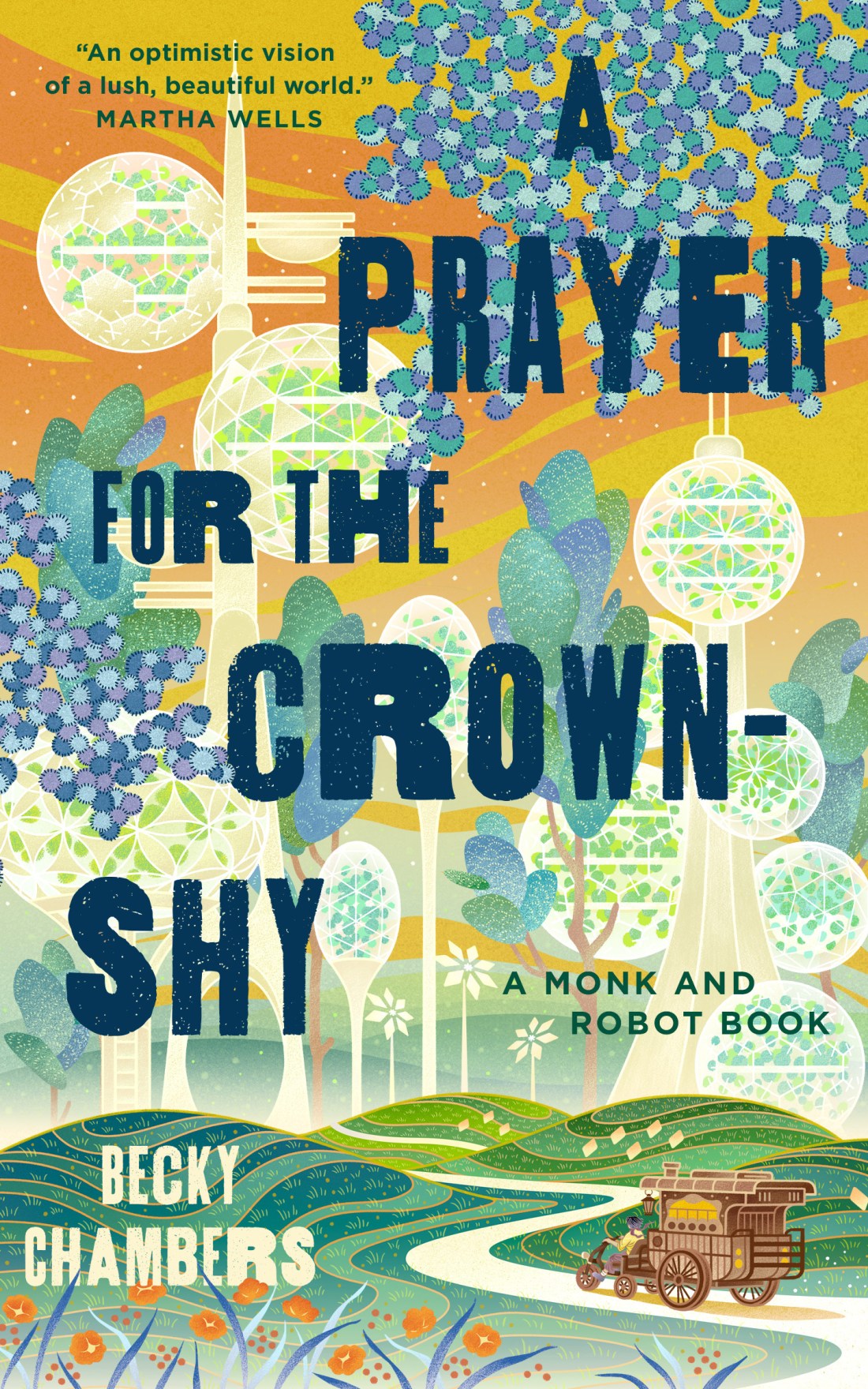
After touring the rural areas of Panga, Sibling Dex (a Tea Monk of some renown) …
Definitely the light comfort read I was looking for, and like the first in its series it has just enough moments of emotional tension and and philosophical debate to never get twee or boring. But more than its predecessor, the world this is set in is the most convincing, appealing hopepunk I have yet to read. It's clear that it had gone through some very hard times in the past, but the equilibrium that the books are set in feels plausible and inviting. I can think of many other books whose worlds I'd like to visit, but these are among the few I wish I could move to.
Definitely the light comfort read I was looking for, and like the first in its series it has just enough moments of emotional tension and and philosophical debate to never get twee or boring. But more than its predecessor, the world this is set in is the most convincing, appealing hopepunk I have yet to read. It's clear that it had gone through some very hard times in the past, but the equilibrium that the books are set in feels plausible and inviting. I can think of many other books whose worlds I'd like to visit, but these are among the few I wish I could move to.
jay
boosted
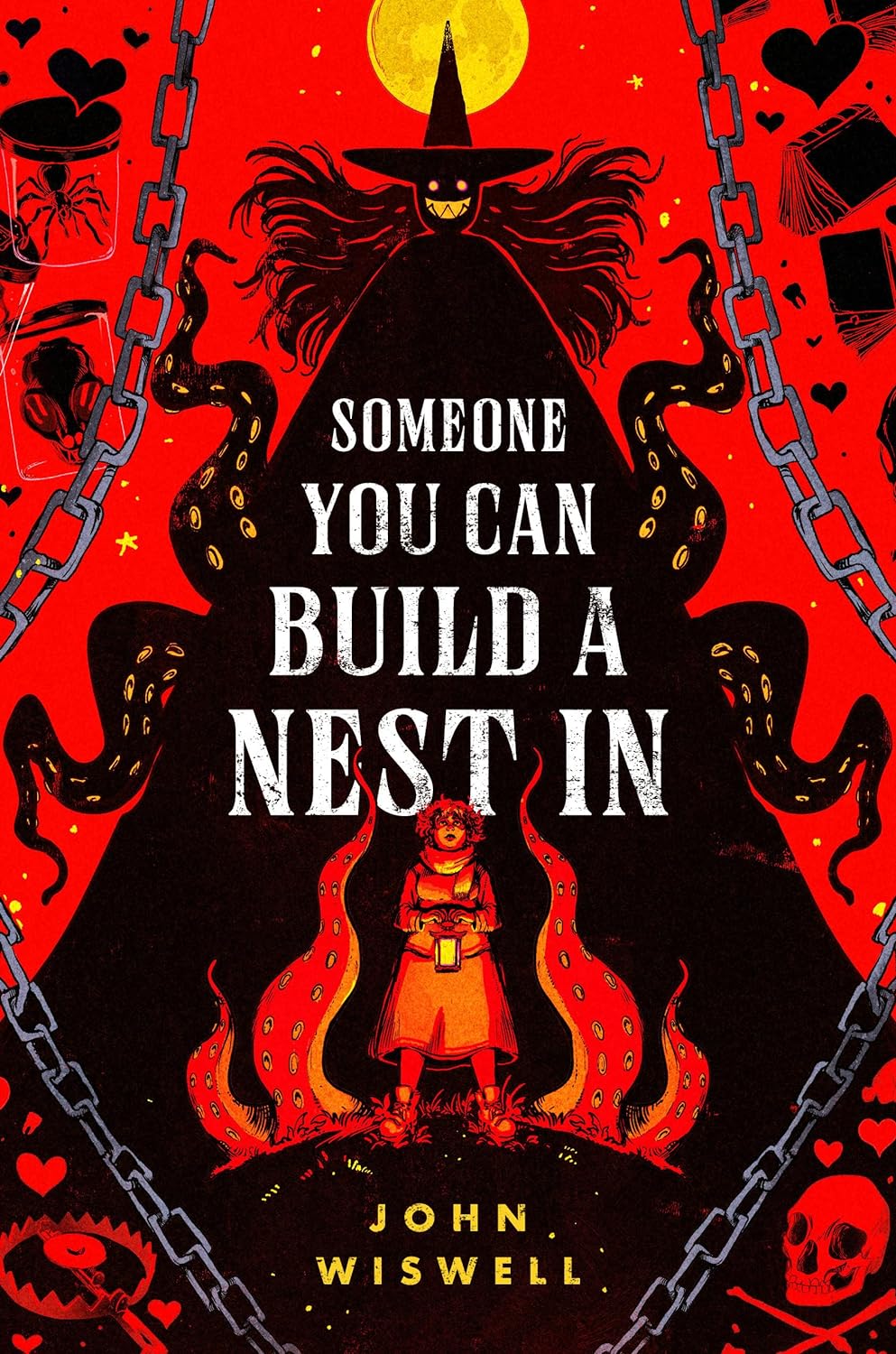
Discover this creepy, charming monster-slaying fantasy romance—from the perspective of the monster—by Nebula Award-winning debut …
This was the same mistake so many humans made: believing someone would leap over trauma when it hurt them badly enough. That wasn't how it worked, and the monster knew it. All Shesheshen could do for Homily was be patient with her, and make space for her, and, eventually, one day behind her back, eat her mother.
jay
boosted
Discover this creepy, charming monster-slaying fantasy romance—from the perspective of the monster—by Nebula Award-winning debut …
This book was fantastic. The setup is that shapeshifting, people-eating, amorphous blob Shesheshen is rescued by overly kind Homily, believing Shesheshen to be a person. Ironically, Homily comes from a monstrously toxic family of wyrm hunters, who are all out to kill Shesheshen specifically, while not realizing that Shesheshen is said monster. (Hijinks ensue.)
It's a story that deals with passing and masking--Shesheshen works really hard at trying to be a person, physically and socially assembled from what she can scavenge. She's got a wry non-human perspective that's especially biology-focused, like how to form legs and have a humanish shape, the tricky mechanics of eating with your mouth closed, and the overwhelmingness of smells and noises.
This book also deals with physically and emotionally abusive family, and how hard it is to struggle through trauma, no matter how much you are being hurt. Also, as you might …
This book was fantastic. The setup is that shapeshifting, people-eating, amorphous blob Shesheshen is rescued by overly kind Homily, believing Shesheshen to be a person. Ironically, Homily comes from a monstrously toxic family of wyrm hunters, who are all out to kill Shesheshen specifically, while not realizing that Shesheshen is said monster. (Hijinks ensue.)
It's a story that deals with passing and masking--Shesheshen works really hard at trying to be a person, physically and socially assembled from what she can scavenge. She's got a wry non-human perspective that's especially biology-focused, like how to form legs and have a humanish shape, the tricky mechanics of eating with your mouth closed, and the overwhelmingness of smells and noises.
This book also deals with physically and emotionally abusive family, and how hard it is to struggle through trauma, no matter how much you are being hurt. Also, as you might expect, this book is also about family and royalty being the true monsters.
Normally, I am not keen on stories where a good bit of relationship tension comes from an intentional deception leading up to an eventual awkward reveal. Even if you ignore the self-protective reasons here, I think the setup in this book works partially for comedy reasons, as Shesheshen considers devouring Homily at the outset, but as she gets more entangled in Homily's family life, it also works as a deception told for protective reasons. It narratively worked for me enough to not be feeling "just tell her already!" throughout the book. The fact that there are a number of worse deceptions elsewhere also makes this feel more minor than you'd imagine it could be.
I devoured (pun not intended) the whole book in one day. Strong recommend from me.
jay
boosted
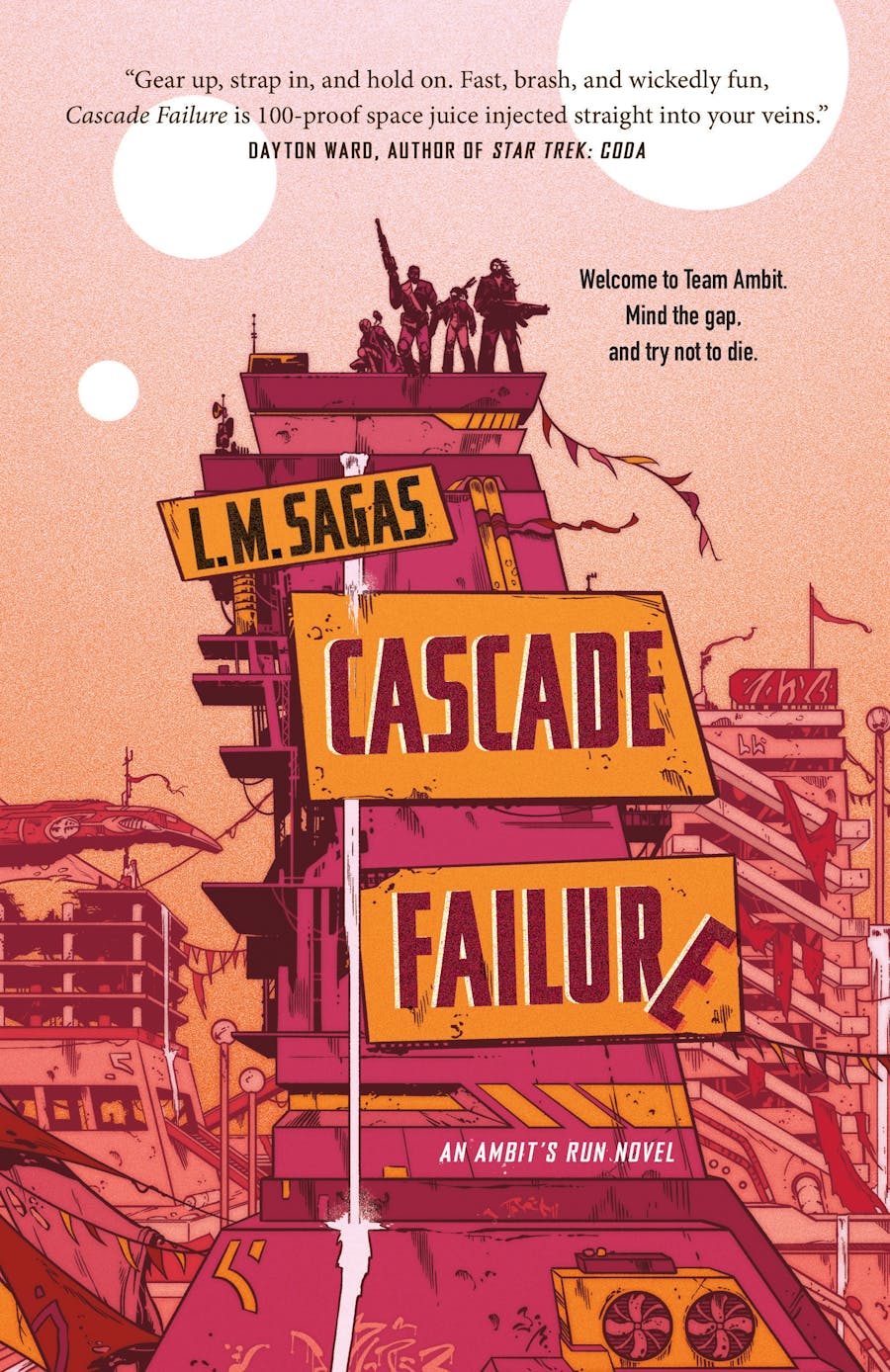
There are only three real powers in the Spiral: the corporate power of the Trust …
LM Sagas's Cascade Failure is a debut sf novel about found family on a scrappy spaceship working against the evils of capitalism. You love to see it. I don't know why this trope is such catnip for me, but I could really read so much of this.
It's full of snappy dialogue, fun relationships, and action-filled set pieces. Honestly, so much of the book felt visual that I could easily imagine a comic or film adaptation. The relationships between the characters, especially Jal and Saint, had a lot of depth.
I wish there was a little bit more heft to the worldbuilding. It's a space corporations vs unions situation (although it gets at some good nuance about how these can work too closely together), with a guild that sits sort of outside that. I didn't really get much sense of what guild hierarchy Captain Eoan existed in, as …
LM Sagas's Cascade Failure is a debut sf novel about found family on a scrappy spaceship working against the evils of capitalism. You love to see it. I don't know why this trope is such catnip for me, but I could really read so much of this.
It's full of snappy dialogue, fun relationships, and action-filled set pieces. Honestly, so much of the book felt visual that I could easily imagine a comic or film adaptation. The relationships between the characters, especially Jal and Saint, had a lot of depth.
I wish there was a little bit more heft to the worldbuilding. It's a space corporations vs unions situation (although it gets at some good nuance about how these can work too closely together), with a guild that sits sort of outside that. I didn't really get much sense of what guild hierarchy Captain Eoan existed in, as it seemed like they and the crew largely went off and did whatever they pleased.
Overall, my take is that this was fun but not amazing, and I'd read more by this author or in this universe for sure.
jay
boosted

Wann nützen Gefängnisse und wo richten sie Schaden an? Der Rechtsanwalt und ehemalige Gefängnisdirektor Thomas …
Ein weiterer wesentlicher Unterschied zur bisherigen Praxis bestünde darin, dass nicht mehr das Gericht allein über die konkret aufzuerlegenden Maßnahmen entscheidet, sondern ein Gremium aus Fachleuten des öffentlichen Dienstes, wie zum Beispiel Sozialarbeiter, Pädagogen, Kriminologie usw. In diesem wären aber auch das oder die Opfer vertreten. Bei Tötungsdelikten könnten die Angehörigen ihr Mitwirkung am Gremium beantragen. Alle Gremienmitglieder erhalten ein gleichberechtigtes Stimmrecht für alle Entscheidungen. [...] Schließlich muss der Täter an den Sitzungen teilnehmen. Er bekommt kein Stimmrecht, wird aber dazu ermutigt, selber Vorschläge einzubringen, wie er den Schaden Wiedergutmachung und die Heilung des Opfers unterstützen kann.
— Weggesperrt by Thomas Galli
Am Ende des Buches kommt Thomas Galli nochmal mit diversen Reformieren, manche wie diese recht spannend.
Poor little whatsername, trapped in the works and dark machinations of that toughest survivor of the Middle Ages, the university, ground in the mills of assistantships, grants, competitions, examinations, dissertations, all set up to separate the men from the boys and both from the rest of the world, she wouldn’t have time for years yet to look up, to look out, to learn that there were such bare, airy places as the place where Rita Inman lived.
— The Unreal and the Real Volume 1: Volume 1: Where on Earth (Unreal & the Real Vol 1) by Ursula K. Le Guin (Page 207 - 208)
from "Hand, Cup, Shell", 1989
from "Hand, Cup, Shell", 1989
jay
boosted
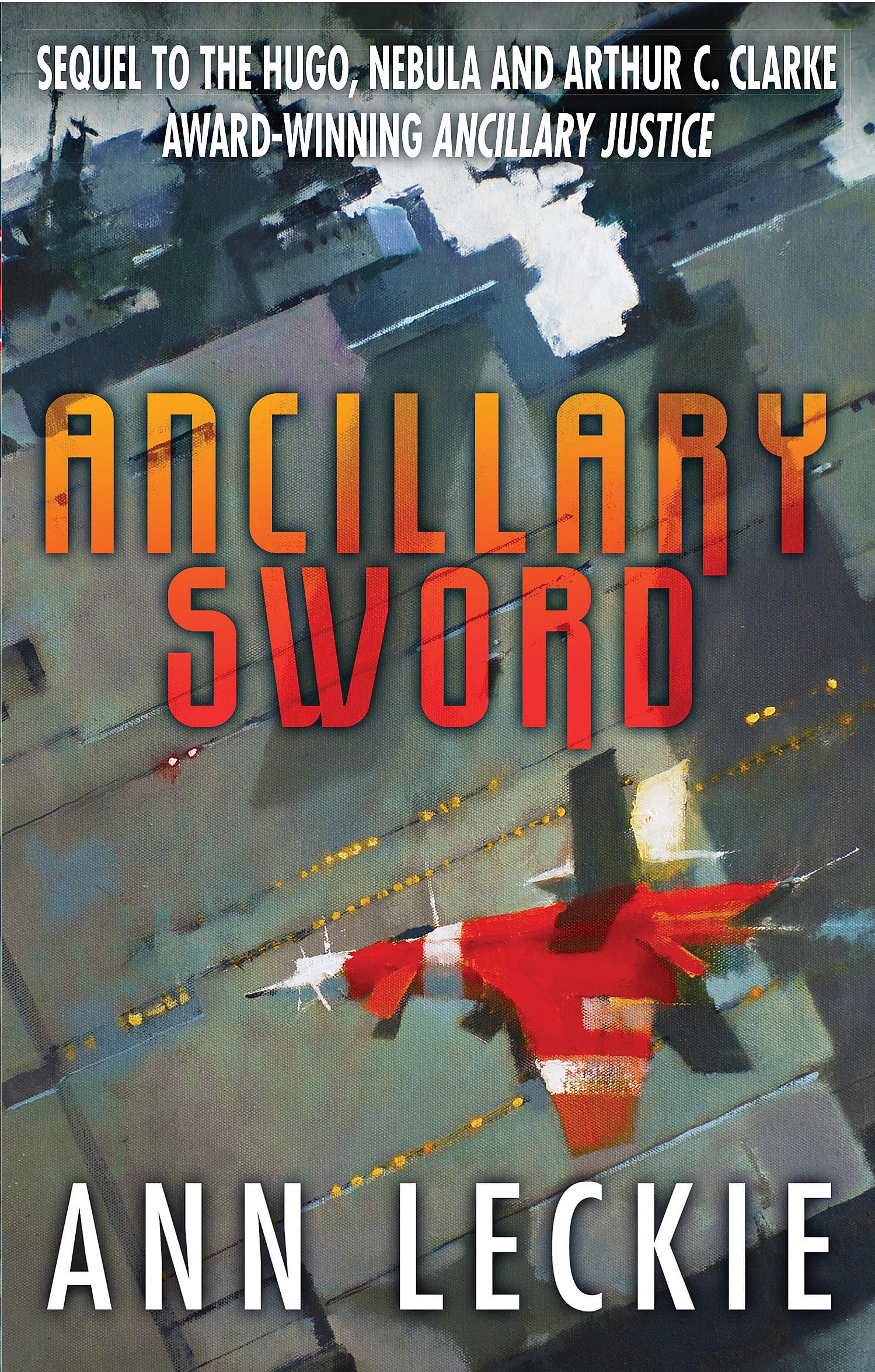
Seeking atonement for past crimes, Breq takes on a mission as captain of a troublesome …
Sie verzog entsetzt und angewidert das Gesicht. "Wofür halten Sie mich, Flottenkapitänin? Wie kommen Sie darauf, irgendjemand hier könnte so etwas auch nur in Erwägung ziehen?" "Ich bin älter, als ich aussehe", erwiderte ich. "Ich war an mehr als einer Annexion beteiligt. Ich habe gesehen , wie Leute Dinge tun, von denen sie noch einen Monat oder ein Jahr zuvor geschworen hätten, sie niemals, unter gar keinen Umständen zu tun." Systemgouverneurin Giarod beugte sich über den Tisch im Esszimer meines Quartiers im Untergarten zu mir. "Warum, Flottenkapitänin, glauben Sie, ich würde zu diesen Leuten gehören?" "Jede Person gehört potenziell zu diesen Leuten, Gouverneurin", erwiderte ich. "Es wäre das Beste, wenn Sie das lernen, bevor Sie etwas tun, womit Sie anschließend Schwierigkeiten haben werden." Letztlich wäre es das Beste, es zu lernen, bevor irgendjemand - vielleicht so gar sehr viele - sterben mussten, damit man es lernte. Aber es war sehr schwer, diese Lektion auf andere Weise zu lernen, wie ich aus persönlicher Erfahrung wusste.
— Ancillary Sword by Ann Leckie (Imperial Radch, #2) (Page 411 - 412)
jay
boosted

There are creatures in the water of Con Dao. To the locals, they're monsters. To …
On the surface, this is a future sf book about discovering sentient octopuses and trying to communicate with them. But, this is no Children of Ruin or even a Feed Them Silence; it hinges less on plot and characters, and feels more about worldbuilding in service to philosophy.
I quite enjoyed this book, and the strongest part was just how tightly the book's themes and ideas intertwined through the book's different point of views and the worldbuilding. It's a not-so-far future book with sentient octopuses, overfished waters, AI boats that drive themselves in search of profit, drones driven by humans in tanks, and the first android (but one reviled by humanity). It's a book about language and communication, memory and forgetting, what it means to be human and exist in community, and about fear of others.
On the surface, this is a future sf book about discovering sentient octopuses and trying to communicate with them. But, this is no Children of Ruin or even a Feed Them Silence; it hinges less on plot and characters, and feels more about worldbuilding in service to philosophy.
I quite enjoyed this book, and the strongest part was just how tightly the book's themes and ideas intertwined through the book's different point of views and the worldbuilding. It's a not-so-far future book with sentient octopuses, overfished waters, AI boats that drive themselves in search of profit, drones driven by humans in tanks, and the first android (but one reviled by humanity). It's a book about language and communication, memory and forgetting, what it means to be human and exist in community, and about fear of others.
It was magic. In every world, it was a kind of magic. "No maids, no funny talking, no fainting flowers." …
It was magic. In every world, it was a kind of magic. "No maids, no …
I would have said that whatever demon lived in Jacko Dewalt was becoming more overt, less subtle, but of course there was no demon at all, only the man and his hungers and grudges.
— Siren Queen by Nghi Vo (Page 184)
jay
boosted
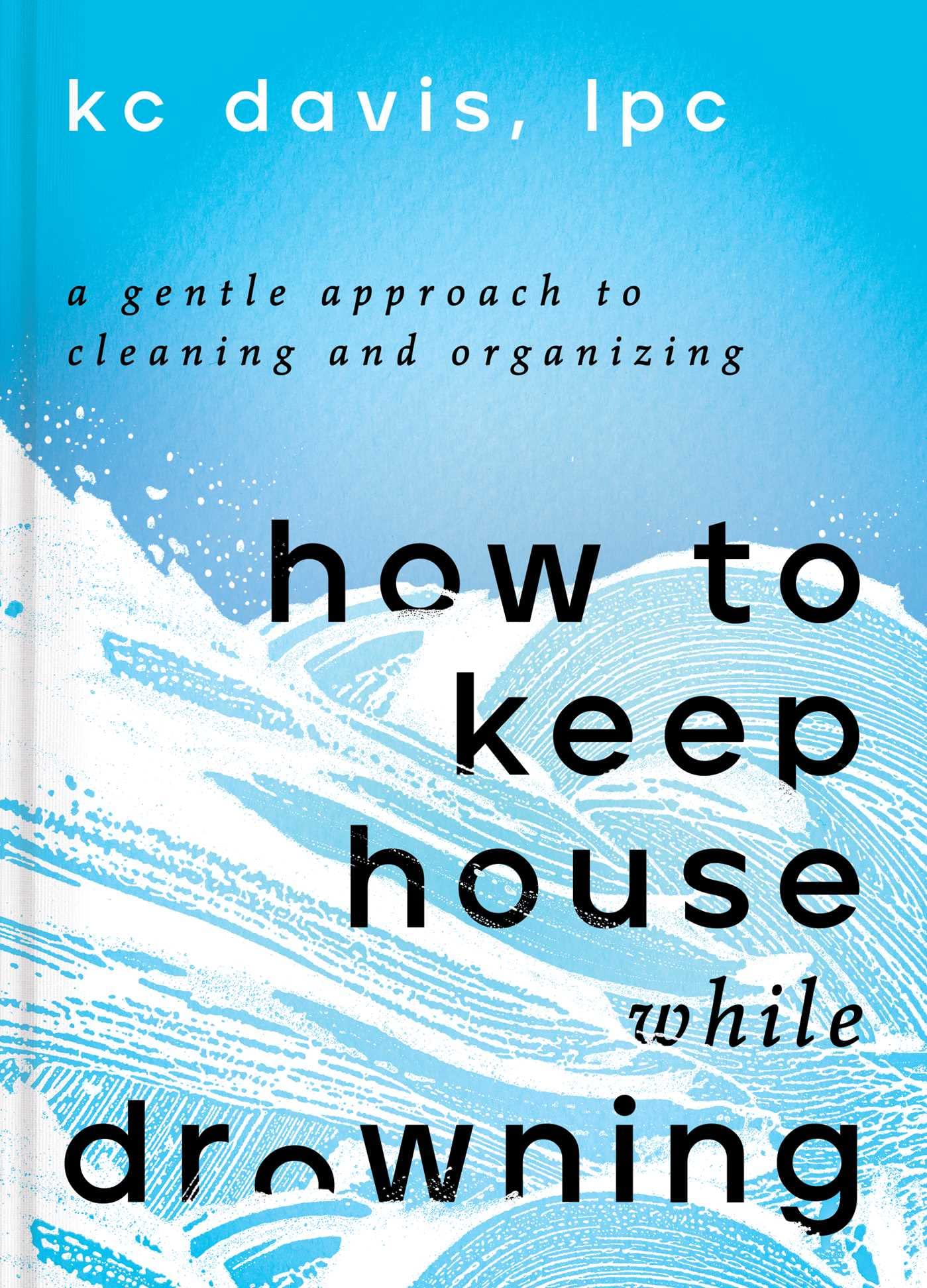
How to Keep House While Drowning felt like a distilled therapy session about cleaning. I saw this recommended on fedi somewhere, and felt like this was useful for me to read right now. It's less "here's my life hack productivity advice for folding shirts" and more "here's some better ways to think about and emotionally approach taking care of yourself and your space". (Honestly, this is probably the more valuable thing.)
A bunch of thoughts I enjoyed that stuck with me: * cleaning is morally neutral * your space exists to serve you (do you hang clothes on a chair? if that works for you, then that's awesome) * interrogating preconceived notions of what cleaning looks like * prioritizing health > comfort > happiness in care tasks (and cutting out perfectionism saying you have to do all of these things all of the time) * balance in care tasks …
How to Keep House While Drowning felt like a distilled therapy session about cleaning. I saw this recommended on fedi somewhere, and felt like this was useful for me to read right now. It's less "here's my life hack productivity advice for folding shirts" and more "here's some better ways to think about and emotionally approach taking care of yourself and your space". (Honestly, this is probably the more valuable thing.)
A bunch of thoughts I enjoyed that stuck with me: * cleaning is morally neutral * your space exists to serve you (do you hang clothes on a chair? if that works for you, then that's awesome) * interrogating preconceived notions of what cleaning looks like * prioritizing health > comfort > happiness in care tasks (and cutting out perfectionism saying you have to do all of these things all of the time) * balance in care tasks between people being less "am I contributing enough?" and more "am I taking advantage of someone else?"
It was magic. In every world, it was a kind of magic. "No maids, no funny talking, no fainting flowers." …

An alien armada lurks on the edges of Teixcalaanli space. No one can communicate with it, no one can destroy …